



Item added to your basket!
18 September 2026

A styled corner brings together furniture, artwork, lighting and decorative objects to give an overlooked area its own sense of purpose. These smaller arrangements can add another layer of character to a room without requiring a complete redesign.
Rather than filling every available surface, the aim is to create balance through scale, texture and carefully chosen pieces. A successful nook should feel connected to its surroundings while offering a moment of interest in its own right.

LIBRA'S CURATED CORNER STYLING SNAPSHOT
• Begin with one element that gives the area purpose.
• Use artwork, lighting or furniture to establish height.
• Mix materials and textures rather than matching every finish.
• Layer objects in different shapes and proportions.
• Leave enough space for individual pieces to be appreciated.
HOW TO STYLE AN EMPTY CORNER
Before deciding what to place in an empty corner, consider how you want the area to be used.
Some spaces naturally lend themselves to a quiet reading nook, while others work better as a decorative arrangement built around a console or piece of artwork. Hallways, landings and the edges of open-plan rooms can also become useful styling opportunities when their proportions are carefully considered.
Giving the space a purpose helps prevent it from feeling like an afterthought. A chair beside a window immediately creates somewhere to pause, while a console beneath artwork can bring structure to an otherwise empty wall.
The arrangement doesn’t need to feel separate from the rest of the room. Instead, look for subtle ways to connect it through colour, shape or material. Repeating a warm metal finish, a particular timber tone or a colour already used elsewhere can help the corner sit naturally within the wider scheme.


CHOOSE A FOCAL POINT FOR YOUR NOOK
Every successful arrangement needs somewhere for the eye to settle.
This might be a piece of artwork, an occasional chair, a sculptural console or a distinctive floor lamp. Beginning with one dominant element gives the rest of the arrangement a clear visual hierarchy.

Lowe Bowl

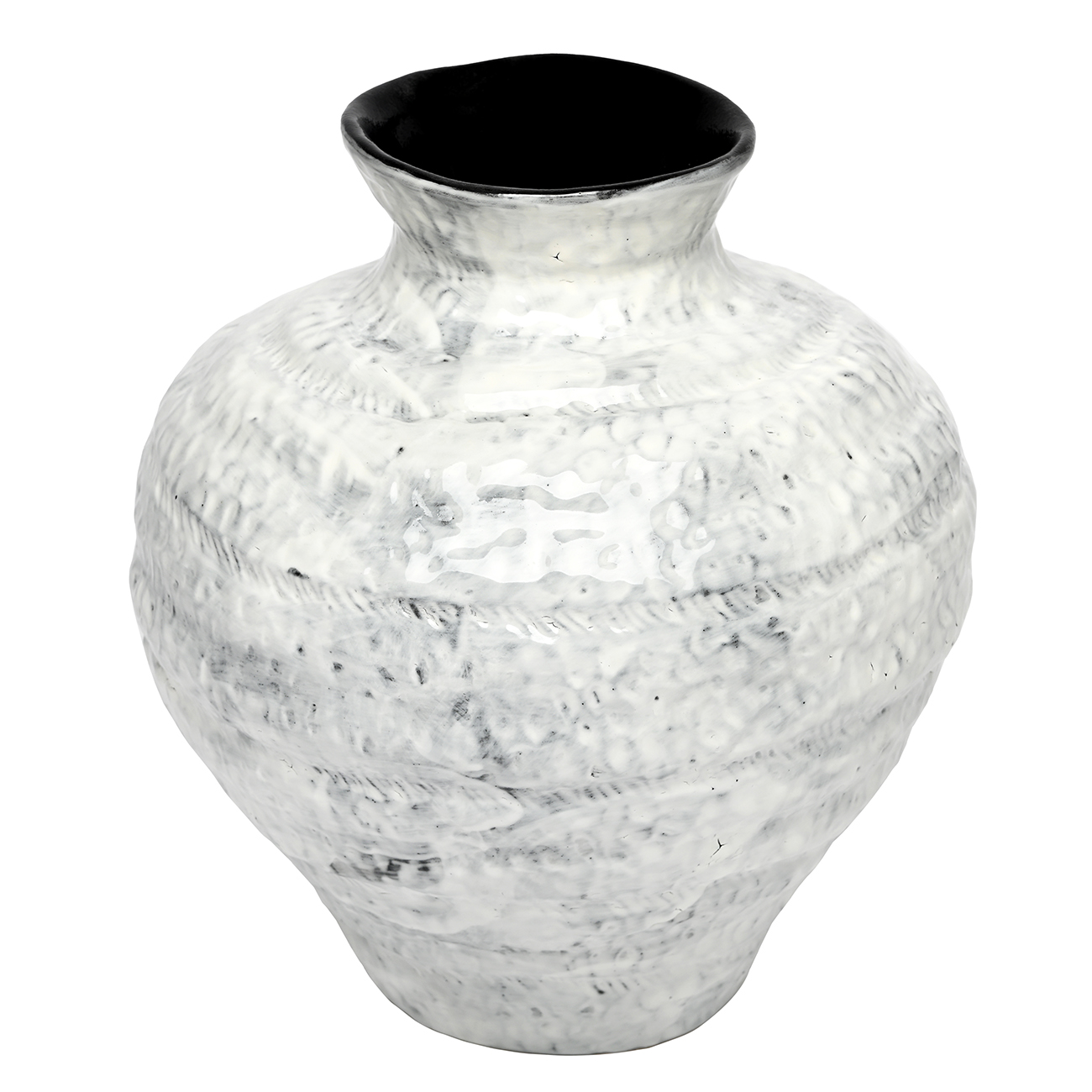
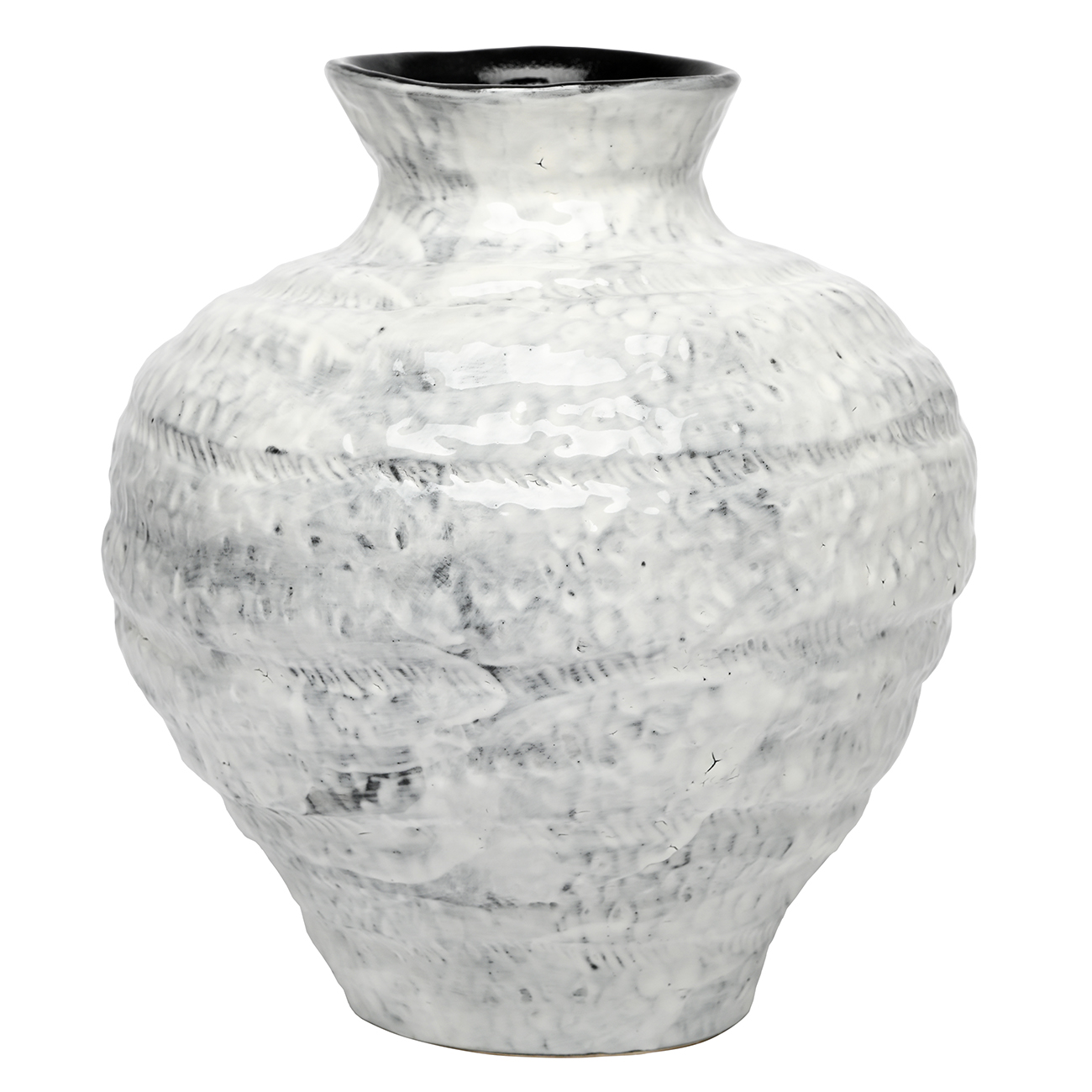
Lunel White Glazed Vase

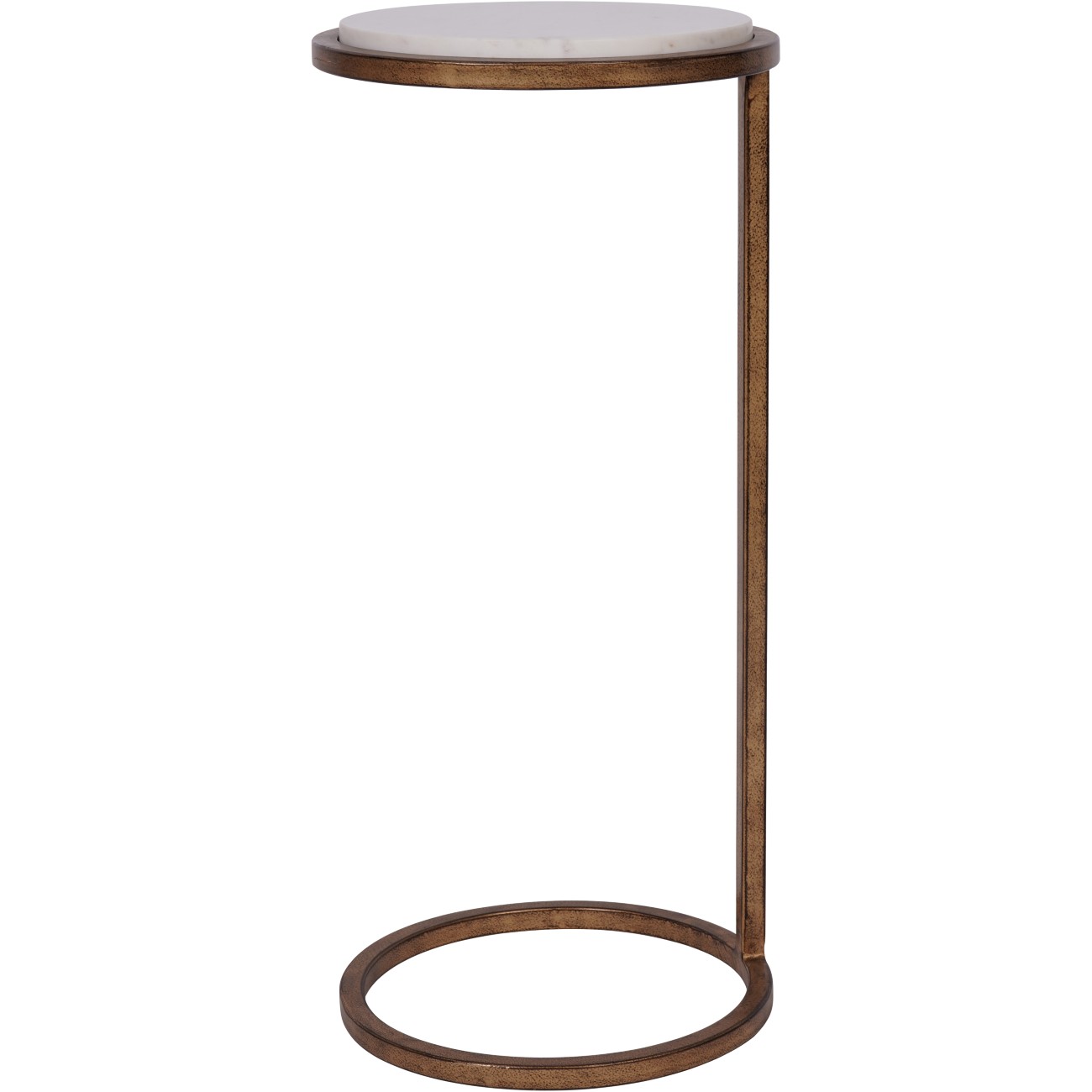
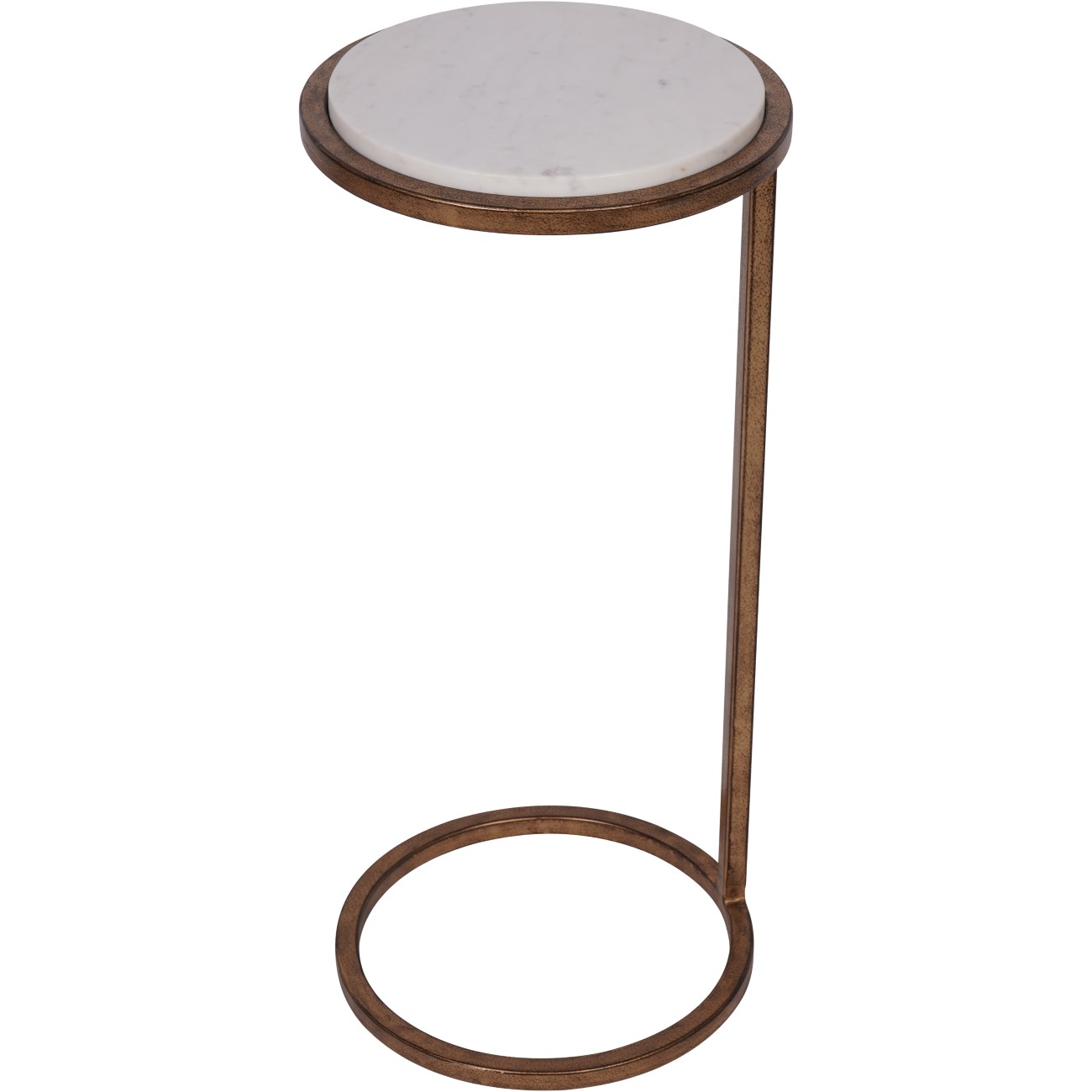
Iota Accent Table
Scale is particularly important in smaller spaces. Choosing one larger piece can often feel calmer than filling an area with several smaller objects. Oversized artwork, for example, can help define a console arrangement without requiring additional wall decoration, while a generously proportioned chair can make an empty corner feel intentional rather than sparse.
Try to avoid giving every element equal visual weight. A focal point works best when the supporting pieces remain quieter, allowing the overall arrangement to feel balanced rather than busy.

HOW TO LAYER HEIGHT, FORM AND TEXTURE
Once the main element is in place, layering introduces depth and personality.
Varying the height of objects is one of the simplest ways to create a more natural composition. Taller forms such as lamps, vases or artwork can be balanced with lower bowls, decorative boxes or smaller sculptural pieces.
Material is equally important. Combining smooth glass with textured ceramics, natural stone with warm metal or soft upholstery with structured furniture creates contrast without relying heavily on colour.
The strongest arrangements rarely match perfectly. Instead, they feel connected through a shared palette or mood while allowing individual materials to bring their own character.
When styling a surface, consider grouping objects rather than placing them evenly across the full width. A smaller cluster often feels more relaxed and gives the remaining surface room to breathe.

USE LIGHTING TO DEFINE A READING OR DISPLAY CORNER
Lighting helps define a nook both practically and visually.
A floor lamp beside a chair can immediately suggest a place for reading or relaxing, while a table lamp can bring warmth to a console or side table. In taller spaces, pendant lighting can also draw attention to an otherwise overlooked area.
Positioning light at different heights adds depth, particularly once daylight fades. Rather than trying to make every part of the room equally bright, allow softer pools of light to create atmosphere around the arrangement.
The lamp itself should also contribute when switched off. Textured ceramic, linen shades, softly reflective metals and sculptural silhouettes can all become part of the composition during the day.

HOW TO AVOID OVERSTYLING A NOOK
Curated styling is as much about what you leave out as what you include.
It can be tempting to keep adding objects until every surface or gap feels complete, but leaving some space allows individual pieces to stand out and gives the arrangement a calmer feel.
Once the main elements are in place, step back and look at the corner as a whole. If two objects are competing for attention, remove one. If everything sits at a similar height, introduce variation. If the corner feels disconnected from the wider room, repeat one colour or material from elsewhere in the scheme.
A styled corner should feel considered rather than crowded. Often, a small number of carefully chosen pieces will create greater impact than a larger collection of accessories.

BRING THE LOOK HOME
The principles of a curated corner can be interpreted in different ways depending on the space and how you want to use it.
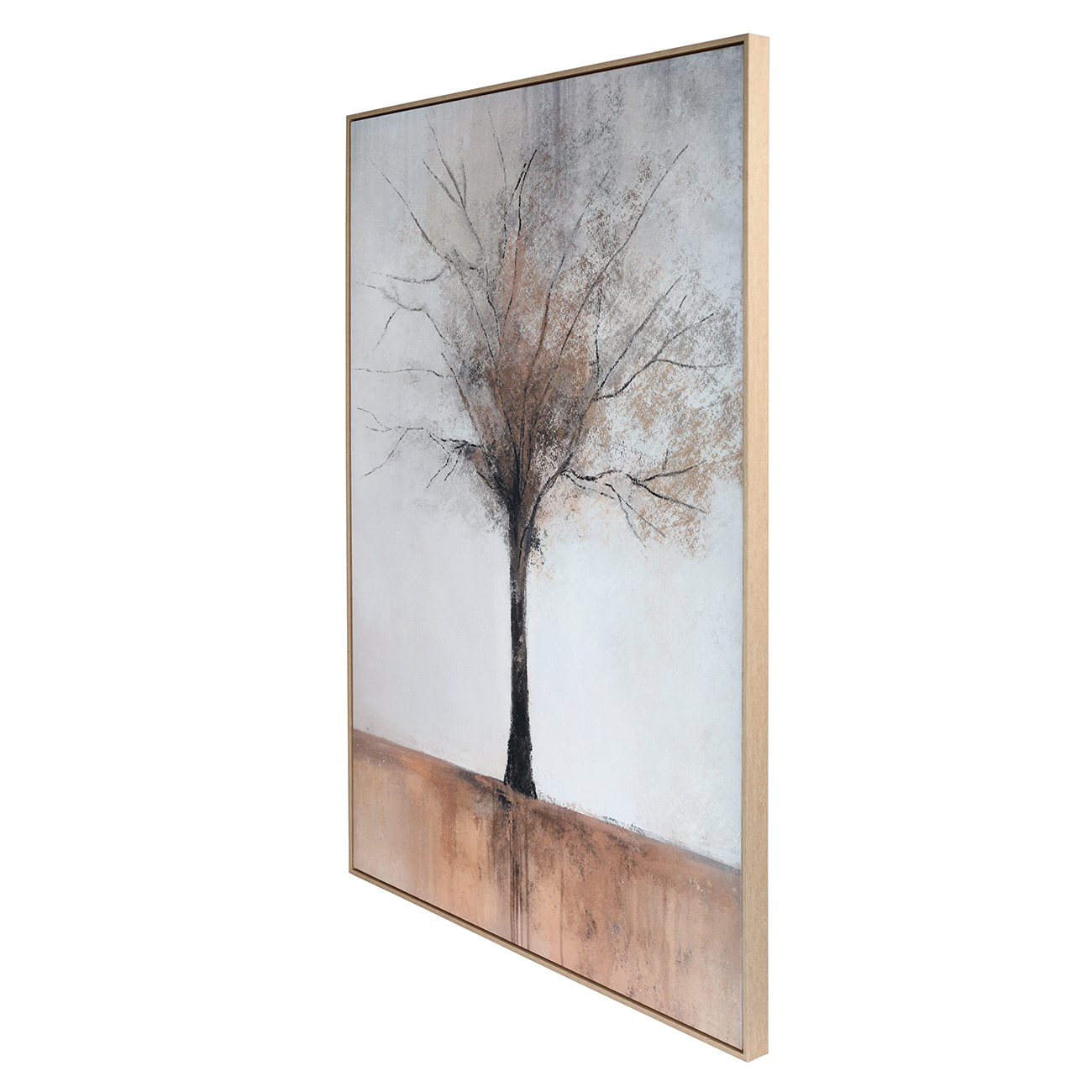
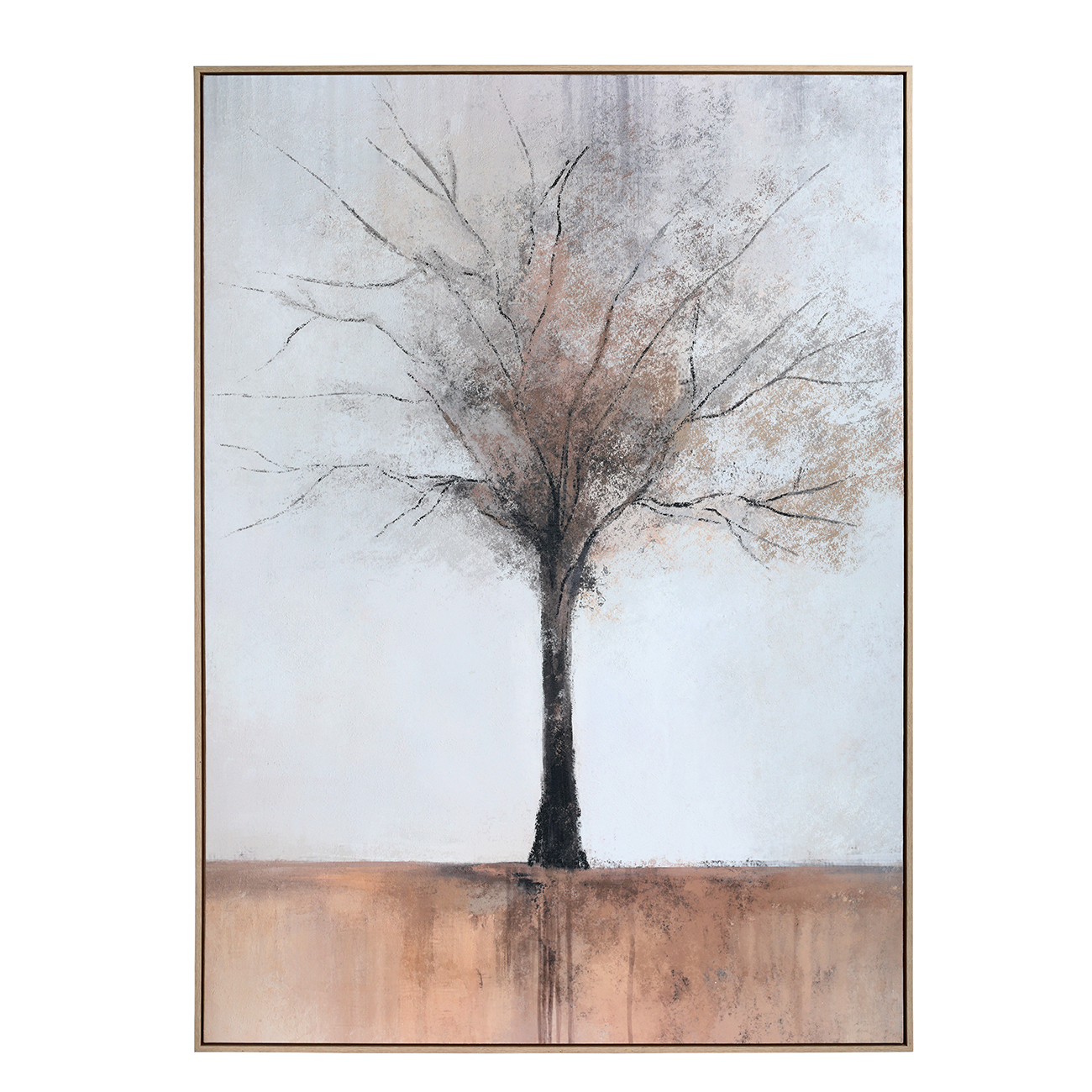
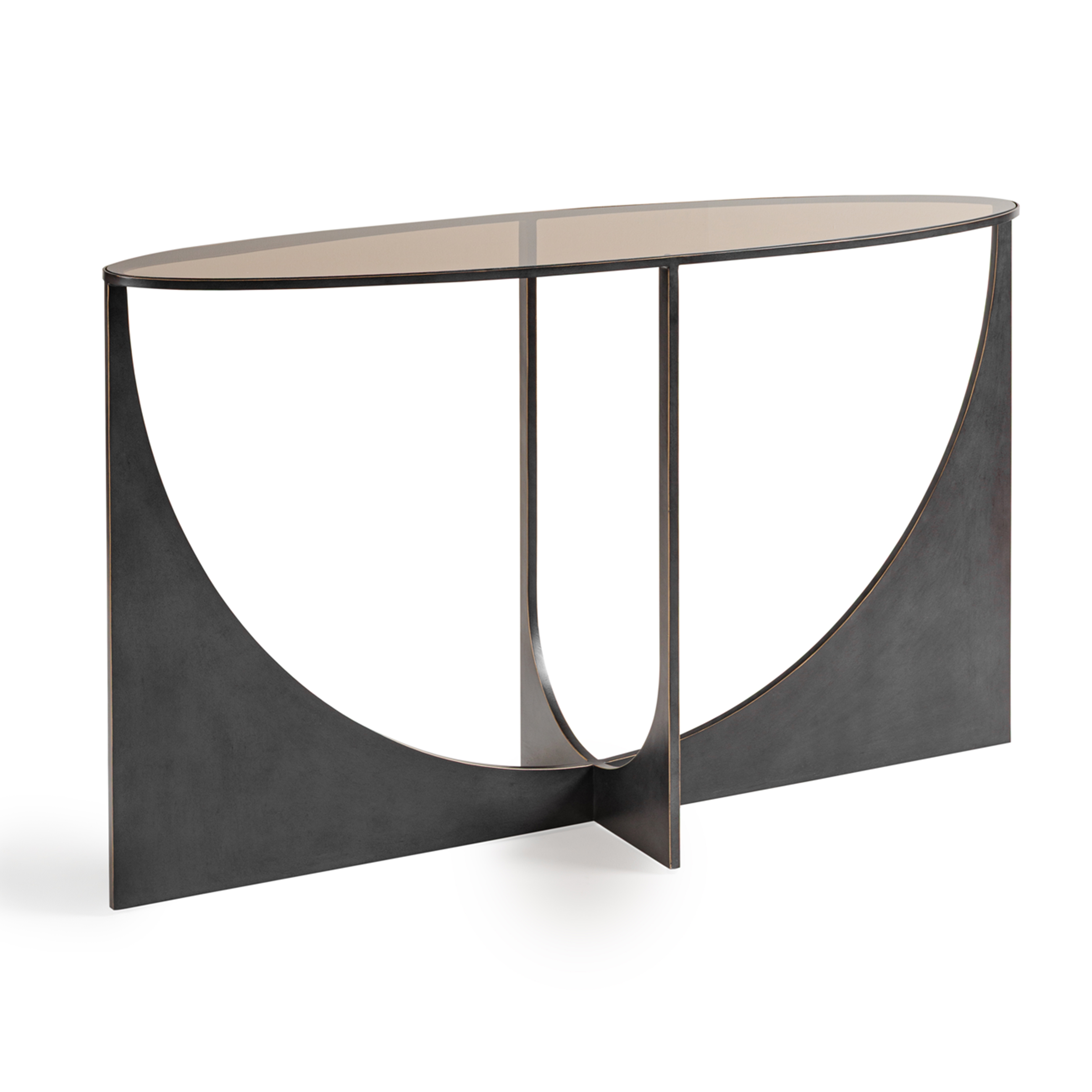
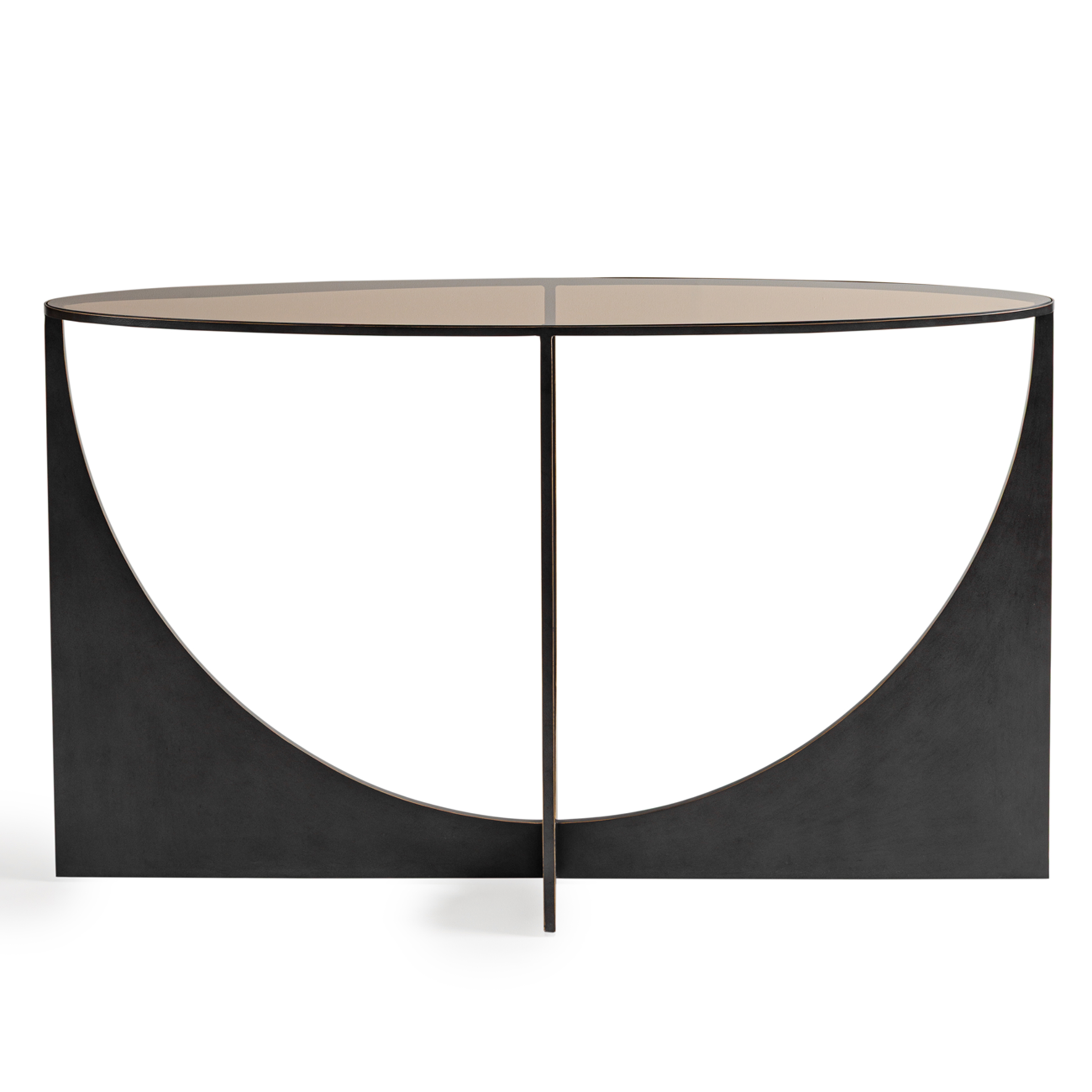
For a console-led arrangement, the Glenthorpe Sculpted Console Table creates an architectural foundation through brown-tinted glass and curved iron in a gilded oak finish. Positioned beneath the Still Root Textured Framed Canvas Wall Art, the stronger structure of the console is softened by the artwork’s neutral palette and organic tree motif.
Smaller decorative pieces can then be introduced sparingly. The Lunel White Glazed Vase adds a lighter sculptural form, while the Lowe Cast Aluminium Bowl introduces a lower, organic shape and warm antique brass finish.

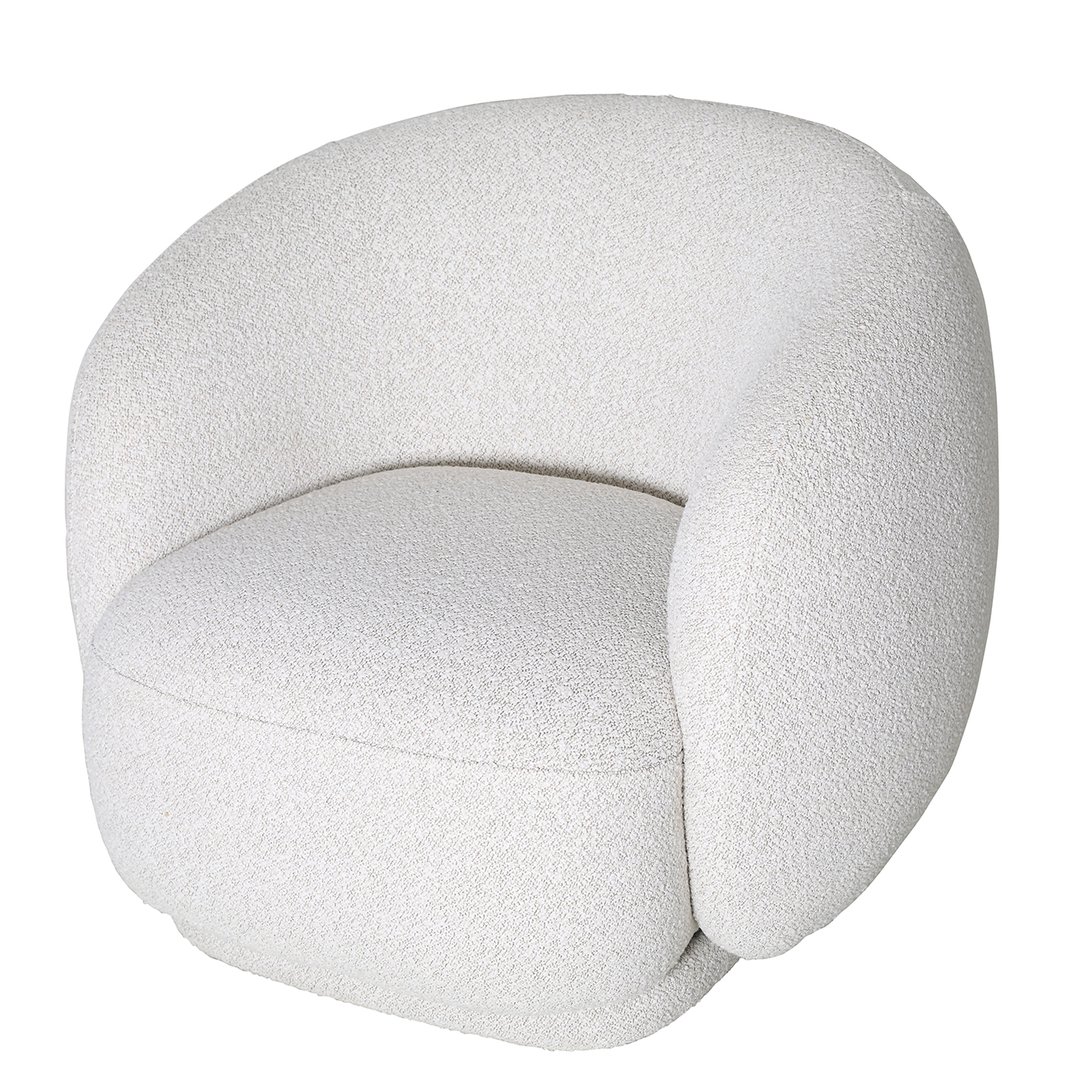
Truro Occasional Swivel Chair

Iota Accent Table White Banswara Marble
For a more relaxed reading corner, the Truro Occasional Swivel Chair provides a comfortable starting point, with its softly rounded silhouette and warm ivory textured bouclé bringing softness and tactile interest to the space. Pairing it with the Iota Accent Table in White Banswara Marble introduces natural stone and smoked gold metalwork, while a nearby floor lamp can add height and softer evening light.
Both approaches begin with the same principle: establish the purpose of the corner first, then add only the pieces that help support it.
MAKE MORE OF THE OVERLOOKED SPACES
A thoughtfully styled nook can change the way a room feels without requiring a complete redesign.
By starting with purpose, establishing a focal point and layering different heights, textures and materials, overlooked areas can become some of the most interesting parts of an interior.
The most successful arrangements feel collected rather than overly coordinated, bringing together individual pieces with enough visual connection to feel balanced and at home within the wider room.
